Stop Treating Your Deity Idols Like Decor: The Vastu Placement Guide for Your First Home
You just moved into your first apartment. You’ve got the minimalist sofa, the aesthetic indoor plants, and a brass Ganesha you picked up because it "looked cool" on the shelf. Here’s the reality check: that idol isn't just a paperweight. In Vastu Shastra, these aren't just decorative objects; they are energetic anchors.
If you’re treating your sacred statues like random knick-knacks, you’re missing the point—and potentially messing with your home’s vibe. Proper vastu placement for deity idols in home is the difference between a space that feels stagnant and one that feels charged with focus, peace, and prosperity.
In most of modern apartments, deity idols are incorrectly placed in bedrooms or facing South, inadvertently blocking the flow of 'Prana' or positive energy. If you’ve been feeling restless or seeing your finances stall, your "aesthetic" placement might be the culprit.
The North-East Power Spot: Why Direction is Everything
In Vastu, the North-East corner is known as Eshanya. It’s governed by the water element and is considered the most sacred part of any floor plan. Think of it as the "entry point" for cosmic energy. When you place a deity here, you’re essentially positioning them at the source of the stream.
If you can’t manage the North-East, the East and North walls are your next best bets. These directions are associated with growth and opportunity. Whatever you do, avoid the South. Facing an idol South is like trying to charge your phone with a dead battery—the energy just doesn't flow.
| Direction | Energy Type | Suitability for Idols |
|---|---|---|
| North-East | Divine/Cosmic | Best (The 'God' Corner) |
| East | Solar/Growth | Excellent for Study/Living |
| North | Wealth/Magnetic | Ideal for Kuber/Ganesha |
| South | Yama/Drainage | Avoid completely |
| West | Gains/Stability | Acceptable for specific idols |
The Laughing Buddha Strategy
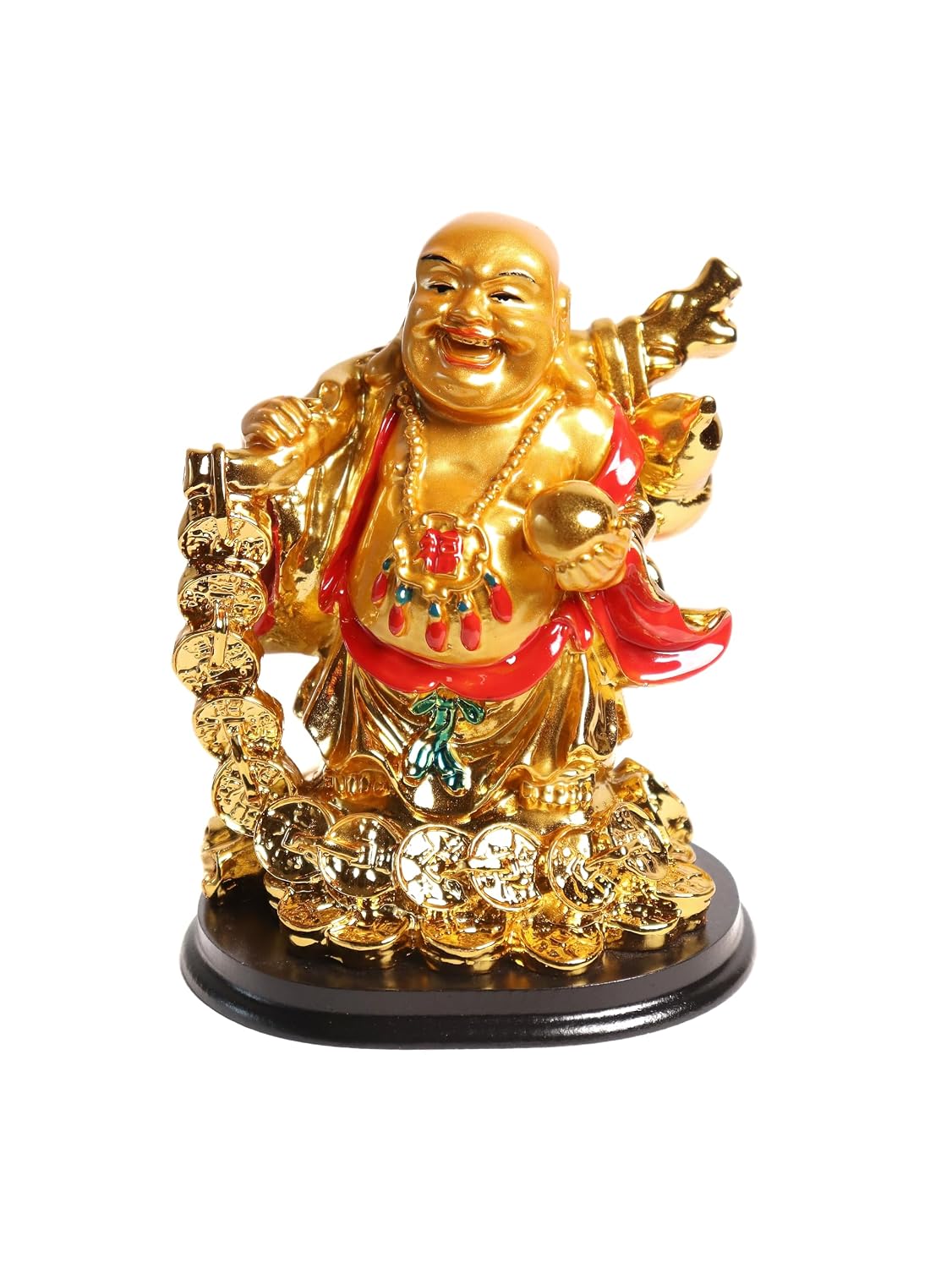
Most people think the Laughing Buddha is just a "good luck charm" you buy at a gift shop. In reality, he’s a powerful tool for shifting the mood of a room. He represents the "Laughing Sage" who carries away your worries and replaces them with abundance.
But don't just shove him on a TV stand. The Laughing Buddha should ideally face the main entrance of your home. He’s the first thing you—and your guests—should see. This "greets" the incoming energy and instantly lightens the frequency of the space. If he’s facing a wall or tucked in a corner, his "job" of attracting joy is essentially neutralized.
Ganesha: Your Home’s Energetic Bouncer
Ganesha is the "Remover of Obstacles," which is why he’s the most popular choice for first-time homeowners. But there’s a science to his trunk.
- Left-turning trunk: Represents Ida Nadi (moon energy). It’s calm, peaceful, and perfect for homes.
- Right-turning trunk: Represents Pingala Nadi (sun energy). This is "fiery" energy, usually reserved for temples or strict spiritual practices. For a standard apartment, stick to the left.
Place Ganesha near your entrance or in the North-East. Ensure he isn't leaning against a wall that shares a space with a toilet. That’s an immediate energetic clash that can lead to constant "minor" hurdles in your daily life.
Wisdom and Focus: The Owl and the Study Room
For the Gen-Z professional or the student, the study room is the cockpit of the home. While Saraswati is the traditional deity for wisdom, the Owl is a potent Vastu symbol often associated with Goddess Lakshmi’s vahana (vehicle). It represents the ability to see through the "darkness" of ignorance and make sharp, calculated decisions.
Placing an owl figurine on your desk or in the North-East corner of your study enhances concentration. It’s an "intentional art object" that reminds you to stay alert and wise in your career moves.

The "Big No-No" Zones: Where Idols Go to Lose Their Power
Modern apartments are tight on space, but that’s no excuse for poor vastu placement for deity idols in home. Based on the Grihafy insight mentioned earlier, 65% of people are getting this wrong. Here is where you should never place a sacred statue:
- The Bedroom: This is a zone for rest and intimacy. Placing a deity here creates a "heavy" energy that can disrupt sleep and lead to marital friction. The only exception? A small Ganesha in a child’s room to help with focus, but even then, it shouldn't face the bed.
- Under the Stairs: This is "dead space." Walking over a deity every time you go upstairs is considered highly disrespectful and creates "suppressed" energy in the household.
- Against a Bathroom Wall: Even if the idol is in the "correct" direction, if the wall behind it is a toilet wall, the energy is tainted. Move it at least a few inches away or choose a different wall.
- The Floor: Never place an idol directly on the ground. Use a pedestal, a shelf, or a dedicated "mandir" unit. The idol should be at your chest level or higher.
Abundance and the Kamdhenu Cow
If your goal is stability and "milking" the most out of your career, the Kamdhenu Cow and Calf is the go-to remedy. This isn't just a rural symbol; it represents the "wish-fulfilling" cow. In Vastu, it’s used to clear "Pitru Dosha" (ancestral hurdles) and ensure that the home never runs out of resources.
The best spot for the Kamdhenu is the East or South-East of your living room. It grounds the space and brings a sense of nurturing energy, which is vital if you’re living in a high-stress urban environment.

Material Science: Brass vs. Polyresin
Does the material matter? Absolutely.
- Brass: The gold standard. It’s a great conductor of energy and lasts forever. It feels substantial and carries a "weight" that polyresin just can't match.
- Marble/Stone: Very grounding. Excellent for larger Ganesha idols.
- Wood: Warm and organic. Good for East-facing placements.
- Polyresin: It’s affordable and looks great, but it’s energetically "neutral." If you use resin idols, you need to be more intentional about keeping the area clean and "activated" with incense or light.
Activating Your Idols: It’s Not Just "Set and Forget"
Once you’ve nailed the vastu placement for deity idols in home, you can’t just let them gather dust. Dust is stagnant energy. If your "protector" is covered in grime, what does that say about the protection you’re receiving?
- Cleanliness: Wipe your idols weekly. Brass should be polished when it tarnishes.
- Lighting: Ensure the area is well-lit. A dark corner creates "Yin" energy, which is the opposite of what you want for a deity. A simple warm LED spotlight can transform the vibe.
- Intention: When you place the idol, take a second to define its purpose. Is this Ganesha here to clear your career path? Is the Laughing Buddha here to stop you from taking life too seriously? State it.
The Action Plan: Auditing Your Home Energy
Don't wait for a "better time" to fix your home's alignment. Start today with these three steps:
- The Compass Check: Download a compass app. Stand in the center of your living room and identify the North-East. Is there a deity there? If not, can you move one?
- The Bedroom Purge: If you have idols in your bedroom, move them to the living room or a dedicated shelf in the North-East today. Notice if your sleep quality improves over the next 48 hours.
- The Height Audit: Check if any of your sacred statues are below waist level. If they are, find a small wooden stool or a floating shelf to elevate them.
Your home is your sanctuary. By moving your idols from "decor" to "intentional placements," you stop fighting the energy of your space and start flowing with it. Stop blocking your Prana—give your deities the respect (and the direction) they deserve.
How Harmonious is Your Home?
Upload your floor plan to get an instant Vastu analysis, score, and personalized remedies. See how your space lines up with natural energies.